
Atlantic Veterinary Services
Veterinarian in Berlin, MD Providing the Quality Care Your Pet Needs
 Atlantic Veterinary Services is a Heart + Paw Partner Practice. While it may have a different look and feel, it is backed by the same incredible technology that our Heart + Paw centers use.
We are dedicated to providing high-quality veterinary services to pets in Berlin. As your partner in pet parenthood, we are here to provide the veterinary care your dog or cat needs in a comfortable, welcoming environment. Our veterinarian and team are here to help your four-legged friend live a healthy, happy life and spend many years by your side. Give us a call to schedule your pet’s appointment today!
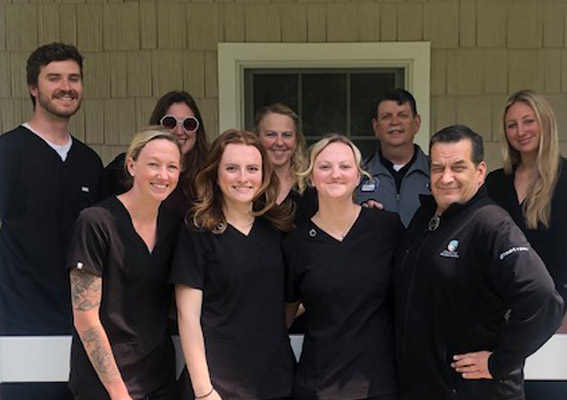
Meet Our Award-Winning Team
We love serving Berlin, MD and our other surrounding communities, and it shows! In addition to being voted Best Veterinary Team in Coastal Style Magazine, we have also been voted Best of Veterinary Care by our community and clients for 8 years running!

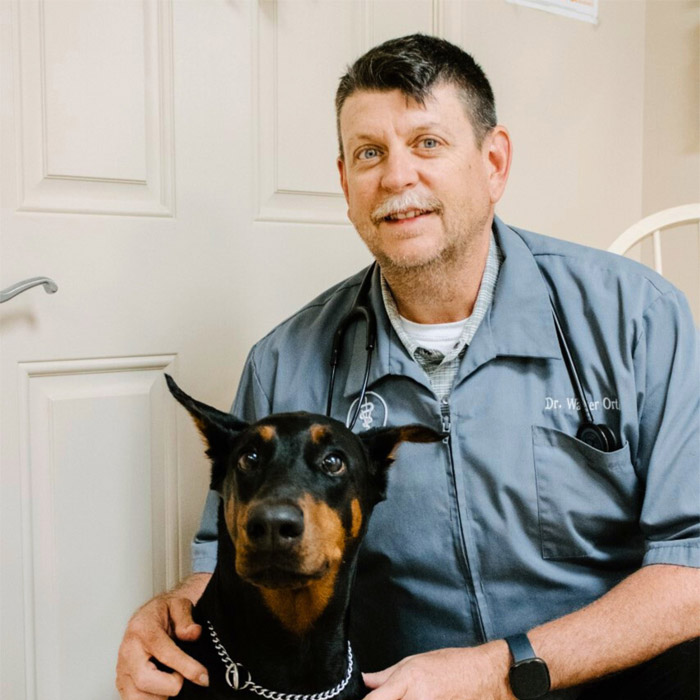
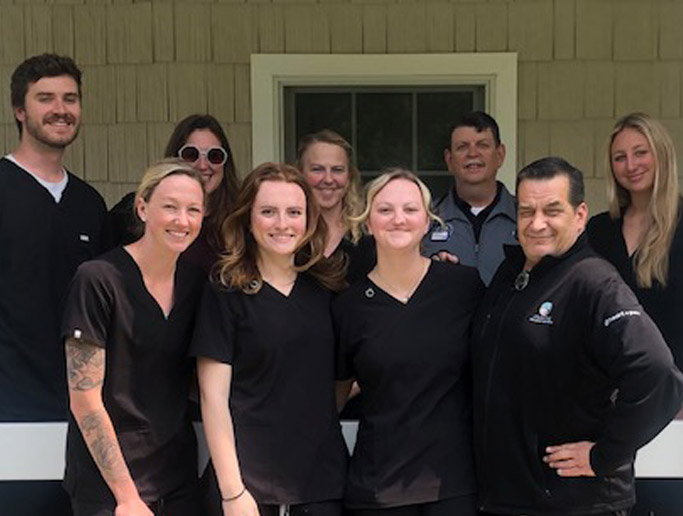
Veterinary Team
We're here to serve you and your pet to the best of our ability. Our team is passionate about improving animal health and nurturing the human-animal bond. Get to know the people who make it all happen!


Providing A Wide Range of Veterinary Services in Berlin, MD
Atlantic Veterinary Services is a full-service veterinary center serving dogs and cats in the Berlin, MD, area. We provide wellness services in a stress-free environment. We even offer certain specialty services, such as acupuncture. By providing the care your pet needs in one convenient location, we are equipped to help your four-legged family member live a long, healthy life.
Wellness &
Preventative Care

Wellness & Preventative Care
Puppies, kittens, adult dogs and cats, and our beloved senior pets all have age-specific health needs. With wellness care, we can keep tabs on your pet’s condition, build their health history, and do more to protect them from acute and chronic diseases, parasites, and other issues.
Pet
Dental Care

Pet Dental Care
We want to help your pet eat, play, and explore their world without being held back by dental disease. With regular teeth cleanings and routine at-home dental care, your companion can live better—and possibly longer!
Vaccinations

Vaccinations
Vaccines are an important part of your pet’s protection against illness. Our veterinarians can provide personalized, flexible vaccination schedules that suit each animal’s individual needs. Whether your pet is a homebody or a seasoned traveler, we can recommend the right vaccines to keep them healthy.
Spay and Neuter
Surgery
Spay and Neuter Surgery
We perform routine spay and neuter surgeries in a sterile, state-of-the-art surgical suite. We are committed to your pet’s safety and comfort, and will stay in touch during their surgery to keep you informed and fully at ease. After surgery, we will provide you with detailed home care instructions for your pet and answer any questions you have.
Microchipping

Microchipping
Can a tiny microchip really make a difference if your pet gets lost? Yes! Once placed, the microchip stays with your pet for life, and once you register its unique serial number, it can be traced directly back to you and your family. Microchipping is fast and easy!
In-House
Diagnostics and X-Ray
In-House Diagnostics and X-Ray
Atlantic Veterinary Service uses efficient in-house laboratory equipment and cutting-edge digital X-ray to perform comprehensive exams and diagnose underlying illnesses. These tools give us additional, essential information about your pet and enable us to provide a higher standard of care.
Check Out Our Featured Services
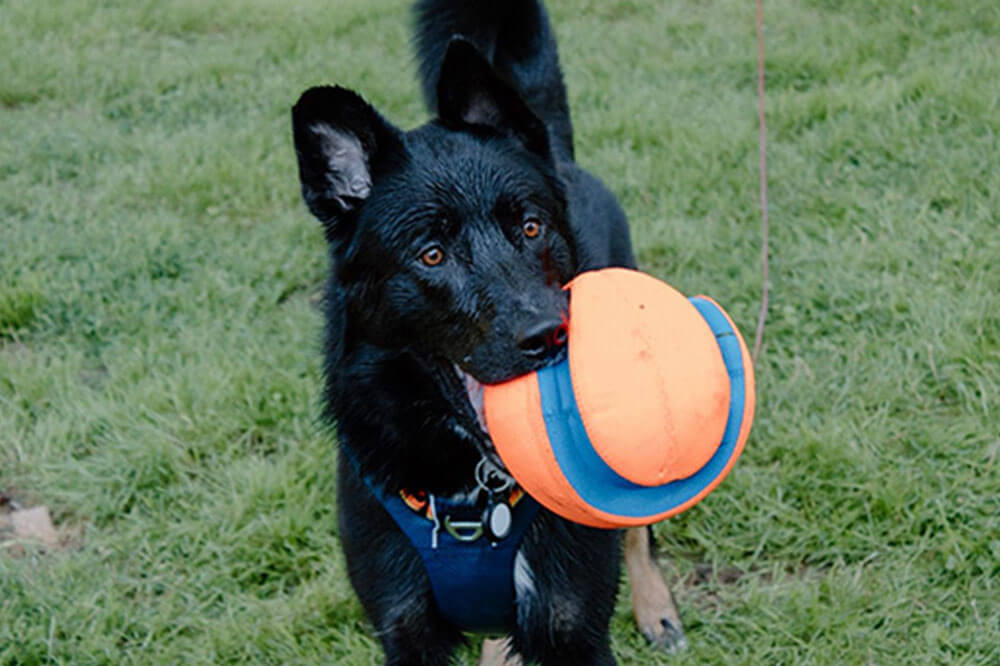
We provide sports medicine to improve quality of life for canine athletes, senior pets, or pets with acute or chronic injury. Our doctors can use a combination of treatments, including various pain management options and holistic therapies, to help your pet regain their mobility and comfort.
Sports
Medicine
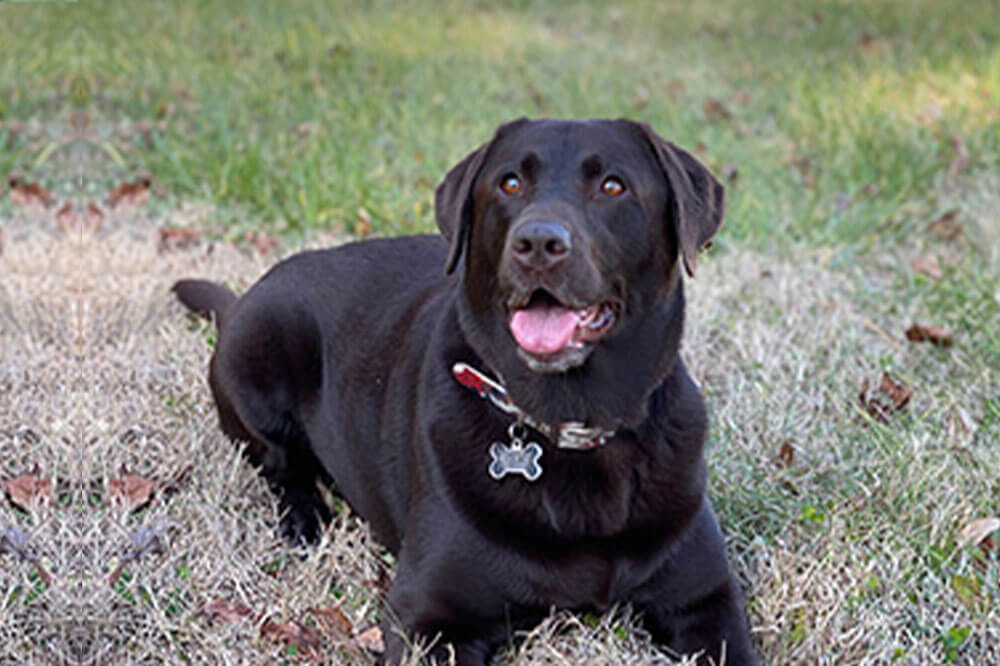
Dogs and cats have more health needs as they get older. Arthritis, diabetes, heart disease, and other age-related conditions are common in pets, just like they are in people. We recommend more frequent checkups to monitor the health of senior pets, and can offer compassionate care and support once they reach their end-of-life stage.
Geriatric
and End-of-Life Care
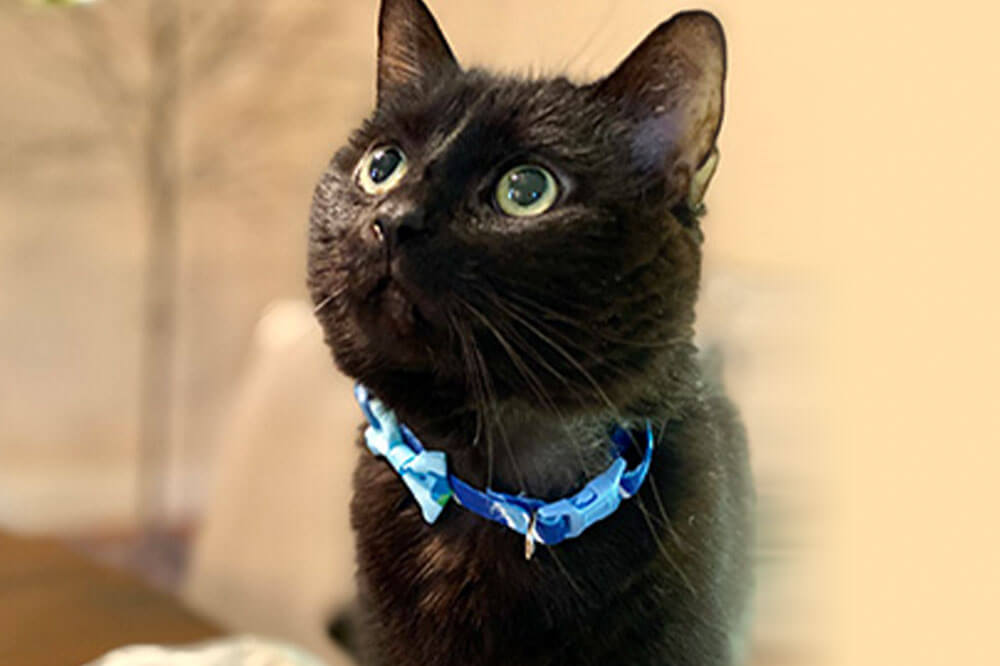
Our veterinarians can perform a multitude of soft-tissue and orthopedic surgeries for dogs and cats. This sets us apart by giving us the ability to treat a greater number of health problems, and make significant improvements to a pet’s quality of life.
Soft-Tissue
and Orthopedic Surgery

You’d do anything to keep your pet healthy, and CareCredit can help make it easier. With different financing options to suit your needs and budget, you can stress less about paying your pet’s medical bills and facing unexpected costs if an emergency occurs. If you’d like to know more about CareCredit, just follow the link below for all the details. You can also apply for CareCredit online, or visit us in person to complete an application. It’s all up to you!
You’d do anything to keep your pet healthy, and CareCredit can help make it easier. With different financing options to suit your needs and budget, you can stress less about paying your pet’s medical bills and facing unexpected costs if an emergency occurs. If you’d like to know more about CareCredit, just follow the link below for all the details. You can also apply for CareCredit online, or visit us in person to complete an application. It’s all up to you!

Shop our Online Pharmacy

Our Mobile App: Manage Your Pet’s Care All in One Place!
Our app allows you to book appointments and access your pet’s medical records, lab results, and vaccination certificates. Plus you can even access helpful pet care tips from the palm of your hand. Download the Heart + Paw app today!